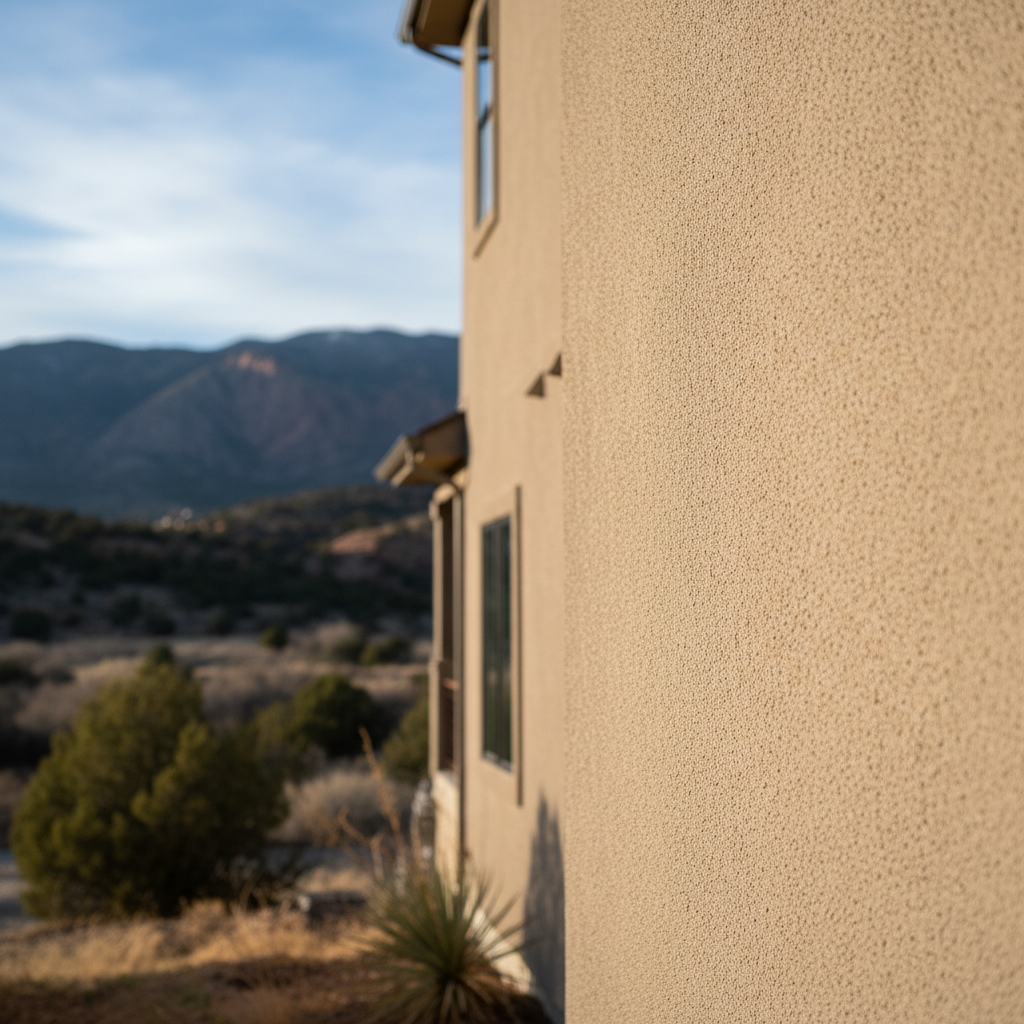
Alright, let's talk commercial stucco. I get a lot of calls from business owners, property managers, and even developers here in Salt Lake City. They know stucco is a solid choice, but they often have some really specific questions. It's different from residential work, you know? The sheer scale, the regulations, the wear and tear – it all changes things. So, I figured I'd lay out some of the most common questions I hear and give you the straight answers. No fluff, just what you need to know from someone who's been doing this for years.
What's the biggest difference between residential and commercial stucco?
That's a great starting point. The core material, the stucco itself, is largely the same. It's still cement, sand, water, and often lime, applied in layers. But the differences show up in how we apply it, the scale of the job, and what's expected from its performance. Commercial projects are usually much larger, which means more crew, specialized equipment, and often a tighter schedule. We're talking about bigger walls, more complex architectural details, and often higher foot traffic or exposure. Commercial buildings also have different building codes and fire ratings to consider. You're often looking at more robust systems, sometimes with thicker base coats or specific reinforcing meshes. These handle the demands of a commercial environment, like a busy retail strip or an office building downtown.
How long can I expect commercial stucco to last in Salt Lake City's climate?
Properly installed and maintained commercial stucco can last a very long time, easily 50 years or more. I've seen buildings in areas like Sugar House or downtown that have had stucco for decades and still look great. The key, though, is 'properly installed and maintained.' Our climate here in Salt Lake City, with its hot summers, cold winters, and that freeze-thaw cycle, can be tough on any exterior. Good flashing, proper drainage, and using the right materials for our conditions are critical during installation. If you cut corners, you'll see issues much sooner. But with a solid job from a company like Salt Lake City Stucco & Plastering, and a bit of routine care, it's incredibly durable.
Is commercial stucco more expensive than other siding options?
Upfront, stucco can sometimes cost more than, say, vinyl siding or even some metal panel systems. This is especially true for commercial applications where you might be using more advanced systems like EIFS (Exterior Insulation and Finish Systems) for energy efficiency. However, you've got to look at the long game. Stucco's durability, low maintenance requirements, and excellent insulation properties often lead to lower lifecycle costs. You're not painting it every few years, and it's incredibly resistant to impact and pests. Plus, the energy savings from good insulation can really add up for a commercial property. So, while the sticker price might be a bit higher, the value over time is often superior.
What kind of maintenance does commercial stucco require?
This is where stucco really shines for commercial properties. It's pretty low maintenance. Mostly, you just need to keep it clean. Dust, pollution, and sometimes even a bit of algae or mildew can build up, especially on north-facing walls that don't get as much sun. A good power wash with a mild detergent every few years is usually all it takes. You also want to do periodic inspections – maybe once a year or after a major storm – to check for any cracks, damage, or issues around windows and doors. Catching small problems early prevents them from becoming big, expensive ones. If you see any hairline cracks, they're usually simple to fill. Deeper cracks or signs of moisture intrusion, though, need a professional's eye right away.
Can commercial stucco be repaired or matched if damaged?
Absolutely. Stucco is very repairable. Whether it's impact damage from a delivery truck, a crack from settling, or a section that needs to be removed for plumbing or electrical work, we can patch it. Matching the texture and color is the trickiest part, especially on older buildings where the stucco might have faded or been custom-mixed. We'll often take samples, do test patches, and work carefully to blend the repair seamlessly. It takes skill and experience, but a good stucco contractor can make repairs virtually invisible. Don't try to DIY a commercial stucco repair; it'll stick out like a sore thumb.
Are there different types of stucco systems for commercial buildings?
You bet. While traditional three-coat stucco is still common, especially for its robust nature, EIFS is very popular for commercial applications. EIFS, or Exterior Insulation and Finish Systems, offers superior insulation, which is a huge benefit for energy costs in a large commercial building. It's a multi-layered system that includes an insulation board, a base coat with a reinforcing mesh, and a finish coat. We also have one-coat stucco systems, which are faster to apply but might not offer the same impact resistance as a three-coat system. The choice often comes down to budget, desired insulation value, and the specific structural requirements of the building. We'll discuss all these options with you to find the best fit for your project.
Hopefully, that clears up some of the questions you might have about commercial stucco. It's a fantastic, durable, and versatile material for businesses here in Salt Lake City, and when it's done right, it really stands the test of time and our unique weather. If you've got more questions, or you're thinking about a commercial stucco project, don't hesitate to give us a call.