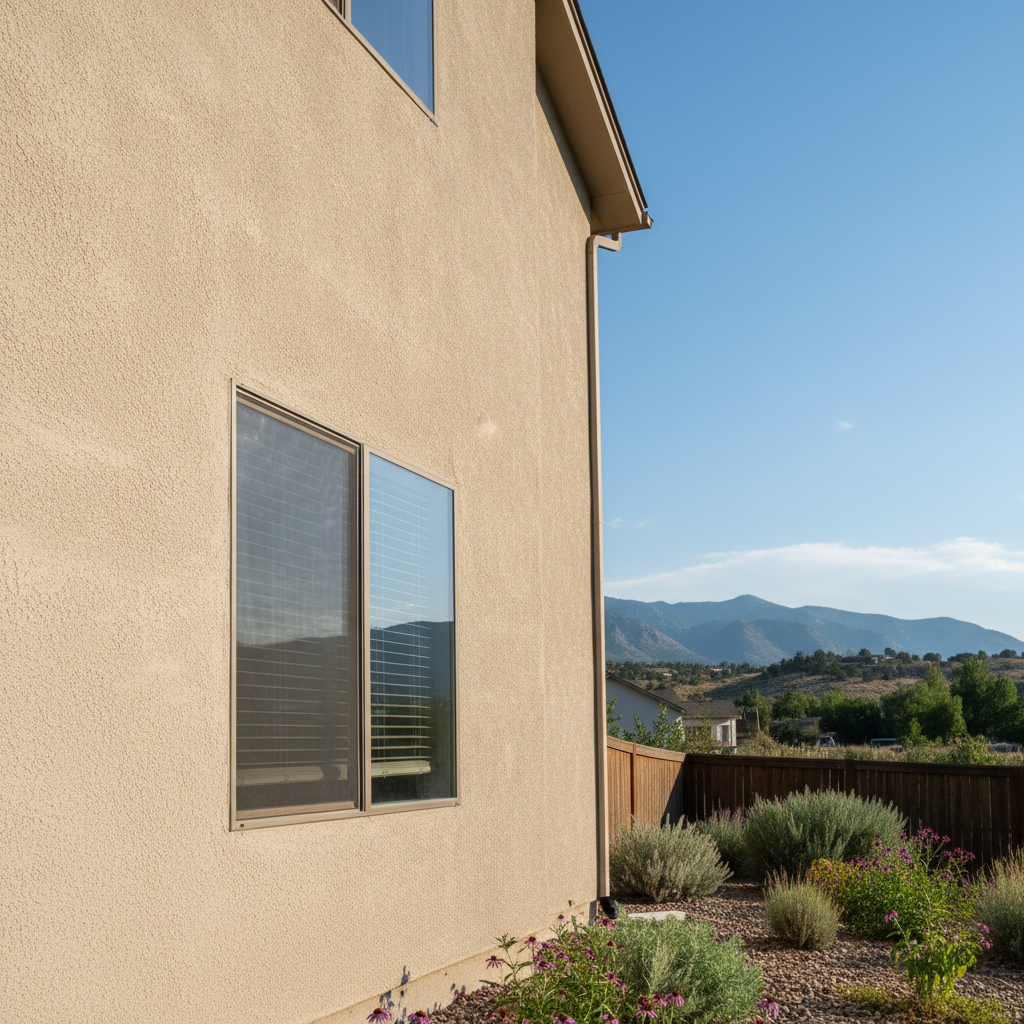
Your Stucco: Built Tough, Needs a Little TLC
Look, you've got stucco on your home for a reason. It's durable, looks great, and when it's done right, it can last a lifetime. But 'durable' doesn't mean 'indestructible.' Especially here in Salt Lake City, with our hot summers, cold winters, and that dry air that can really test materials, you've got to give your stucco a little attention if you want it to perform.
I've been in this business for years, seen countless homes, and I can tell you straight up: proactive maintenance is the cheapest maintenance. Don't wait for a small issue to become a big, expensive headache. Here's what I tell all my clients about keeping their stucco in top shape.
Extending the Life of Your Stucco: Simple Habits
The biggest thing you can do to extend your stucco's life is pretty simple: keep it clean and keep water away from it where it shouldn't be. Sounds basic, right? But you'd be surprised how often these two things get overlooked.
- Keep it Clean: Dust, dirt, and even pollen can build up on your stucco. Over time, this grime can hold moisture against the surface, or worse, promote mold and mildew growth. A simple, low-pressure wash once a year is usually all it takes. Just use a garden hose with a spray nozzle, or a pressure washer on a very low setting (no more than 500-800 PSI, and keep the nozzle moving). You can use a mild detergent, but make sure to rinse thoroughly. Don't blast it too hard; you're cleaning, not stripping paint.
- Manage Water: This is huge. Stucco is designed to shed water, but it's not waterproof. Any place water can sit or get trapped is a problem. Make sure your gutters are clean and draining properly, directing water away from your foundation. Check your sprinkler heads – are they spraying directly onto your stucco walls? Adjust them. Water pooling near the base of your walls is a recipe for disaster, especially with our clay soils in areas like Sugar House that can hold moisture.
- Trim Landscaping: Keep bushes, trees, and vines trimmed back from your stucco. They can trap moisture, rub against the surface causing abrasion, and even provide pathways for insects. Give your walls some breathing room.
- Sealants and Paint: If your stucco is painted, keep an eye on the paint condition. Fading or peeling paint means it's not protecting the stucco underneath as well as it should. A fresh coat of elastomeric paint can add years of protection. For unpainted stucco, a breathable silane/siloxane sealer can offer an extra layer of defense against moisture without changing the look.
Regular Maintenance: Your Annual Checklist
I recommend doing a quick walk-around of your home at least twice a year – once in the spring after the snow melts, and again in the fall before winter sets in. You're looking for anything out of the ordinary.
- Visual Inspection: Walk the perimeter. Look for cracks, discoloration, or any areas that just don't look right. Pay extra attention around windows, doors, and where different materials meet.
- Check for Efflorescence: That white, powdery substance? That's efflorescence, and it means water is moving through your stucco. It's not always a huge deal, but it's a sign to investigate where the moisture is coming from.
- Caulking Check: Look at all the caulk joints around windows, doors, and utility penetrations. Is it cracked, pulling away, or missing? Old caulk loses its elasticity and can't do its job. Re-caulking these areas is a cheap, easy fix that prevents a lot of water damage.
- Drainage: Are your downspouts clear? Are they extending far enough away from the foundation? Is the ground sloped away from your house?
Warning Signs: Don't Ignore These
Some issues are more urgent than others. If you see any of these, don't put off calling someone like us at Salt Lake City Stucco & Plastering.
- Large Cracks: Hairline cracks are pretty normal with stucco, especially with our temperature swings. But if you see cracks wider than a credit card, or cracks that are spider-webbing, or if they're running horizontally or diagonally from corners of openings, that's a red flag. It could indicate structural movement or significant water damage.
- Bulging or Soft Spots: Press gently on your stucco. Does it feel soft or spongy? Do you see any areas that are bulging outwards? This is almost always a sign of trapped moisture and rot underneath.
- Discoloration or Staining: Dark streaks, especially below windows or along the foundation, often mean water is getting in and running down the wall cavity. Green or black spots usually indicate mold or mildew, which points to persistent moisture.
- Peeling or Flaking Stucco: If the stucco itself is peeling away from the wall, or if you can easily chip off pieces, it's a sign of a bonding issue, often due to moisture or improper application.
When to Call a Professional
You can handle the cleaning and minor re-caulking yourself. But for anything beyond that, you really need to bring in someone who knows stucco. Don't try to patch large cracks or replace sections yourself unless you're experienced. You could end up doing more harm than good, and making the eventual repair even more complicated and expensive.
Call us if you see any of those warning signs I just mentioned. If you're not sure what you're looking at, or if you just want a professional opinion, give us a shout. We can do a thorough inspection, identify the root cause of any issues, and give you an honest assessment of what needs to be done. Getting ahead of these problems will save you a lot of grief and money down the road, and keep your home protected for years to come.