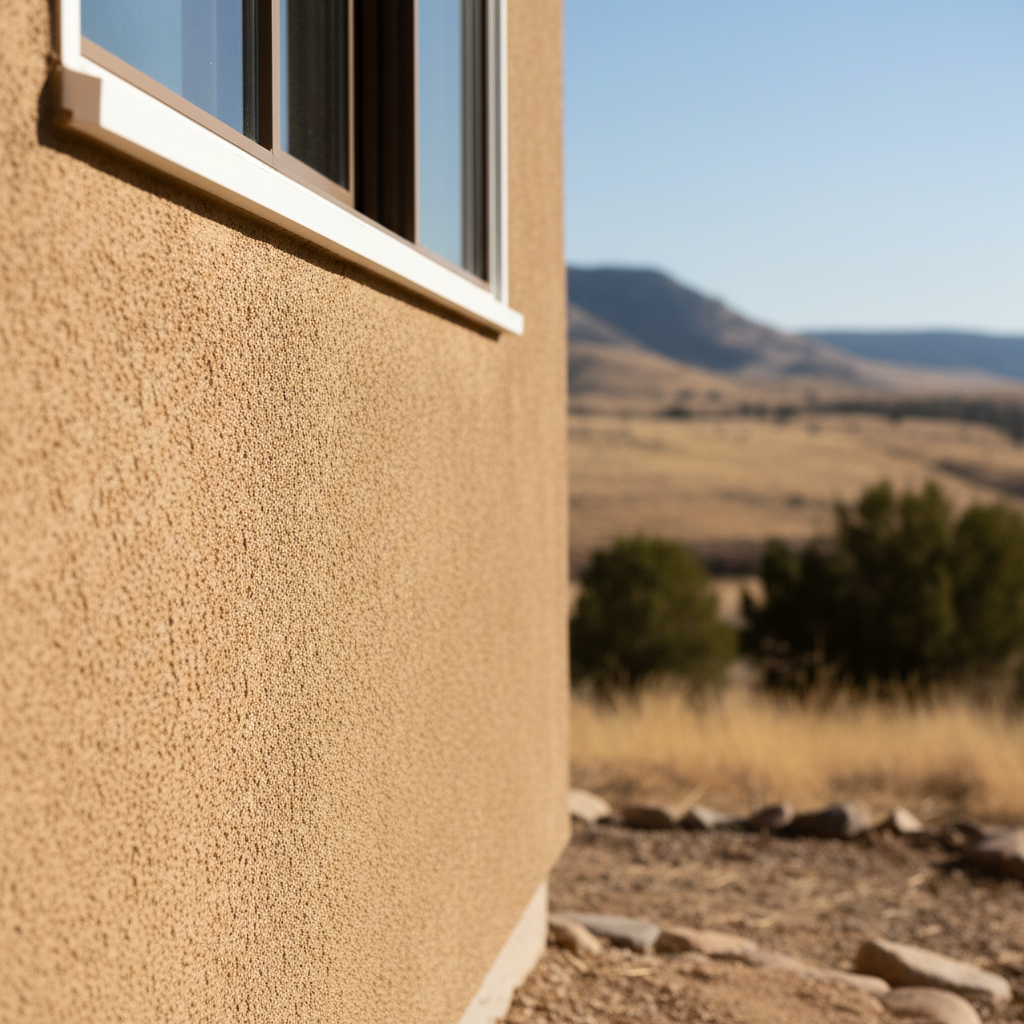
What's the real difference between traditional stucco and EIFS?
This is probably the most common question I get, and it's a good one because they look pretty similar on the outside. Traditional stucco, the stuff we've been using for centuries, is basically a cement-based product. It's a hard, durable material applied in layers over a lath (usually metal mesh) and a weather-resistant barrier. It breathes, it's tough, and it's been proven for a long, long time, especially in places with big temperature swings like we get here in Salt Lake City. It's got good impact resistance and it's pretty fire-resistant too.
EIFS, or Exterior Insulation and Finish System, is a different beast entirely. Think of it as a synthetic stucco. It starts with an insulation board, usually expanded polystyrene (that's the white foam stuff, you know?), which then gets covered with a base coat that has a fiberglass mesh embedded in it. Finally, there's a finish coat that gives it its color and texture. The biggest selling point for EIFS is its insulation value; it can really improve your home's energy efficiency. But here's the catch: it's a barrier system, designed to keep all moisture out. If water gets behind it, say through a poorly sealed window or a crack, it can get trapped. This can cause serious problems like rot and mold because it doesn't breathe like traditional stucco. That's why proper installation and flashing are absolutely critical with EIFS, even more so than with traditional stucco. We see a lot of EIFS issues around here when it wasn't installed perfectly.
How long should my stucco last, really?
If it's installed right and you take care of it, traditional stucco can easily last 50 years, often much longer. I've seen homes in the Avenues neighborhood with original stucco that's been there for 80+ years and still looks fantastic. It just needs some minor patching or a fresh coat of elastomeric paint every now and then. It's a very long-lasting material. EIFS, on the other hand, typically has a shorter lifespan for its finish coat. Maybe 20-30 years before it might need significant repairs or re-coating, especially if it's been exposed to a lot of our intense summer sun and winter freeze-thaw cycles. The underlying insulation can last longer, but the exterior finish is what usually shows wear first.
What causes those hairline cracks I see in my stucco? Are they serious?
Hairline cracks are super common with traditional stucco, and most of the time, they're not a big deal. Stucco is a cement product, and like concrete, it's going to expand and contract with temperature changes and settle a bit over time. Those tiny, spiderweb-like cracks are usually just surface-level and don't go through all the layers. They're often called 'shrinkage cracks' and are a natural part of the curing process and aging. I wouldn't lose sleep over them.
Now, if you're seeing wider cracks, cracks that run diagonally from window or door corners, or cracks that are growing, those could indicate something more serious. That might be structural movement, water damage, or a problem with the original installation. Those are the kinds of cracks you want a professional to look at, because they can be pathways for water to get behind your stucco and cause bigger issues. For most hairline cracks, though, a good quality elastomeric paint can seal them right up and make your stucco look fresh again.
Can stucco really handle our crazy Salt Lake City weather?
Absolutely, it can. Stucco, especially traditional stucco, is incredibly resilient to the kind of weather we get here. Think about it: we have scorching hot summers, freezing cold winters, heavy snow, and sometimes even hail. Traditional stucco is designed to expand and contract with those temperature swings without failing. It's also very good at shedding water when it's properly installed with the right flashing and drainage planes. The key is 'properly installed.' If the system isn't put in correctly, with all the layers and barriers done right, then any material will struggle. But when folks who know what they're doing, like us at Salt Lake City Stucco & Plastering, do the work, it holds up beautifully against everything our mountains throw at it.
Is stucco a good choice for energy efficiency?
It can be, yes, but there's a difference depending on the type. EIFS, as I mentioned, is inherently an insulating system. The foam board underneath is specifically designed to provide a continuous layer of insulation, which can significantly reduce heat loss in winter and heat gain in summer. This can lead to lower energy bills, which is a big plus here in Utah with our extreme temperatures.
Traditional stucco itself doesn't have a high R-value (insulation value) on its own. However, it's usually applied over a wall assembly that includes sheathing, house wrap, and often batt insulation in the wall cavity. When combined with good wall insulation, traditional stucco provides a very durable and airtight exterior, which helps overall energy efficiency by preventing air leaks. So, while EIFS offers direct exterior insulation, traditional stucco, as part of a well-built wall system, also contributes to an energy-efficient home.
How do I clean my stucco without damaging it?
Cleaning stucco isn't as complicated as some folks make it out to be, but you do need to be careful. For general dirt and grime, a soft brush, some mild detergent (like dish soap), and a garden hose with a spray nozzle are usually all you need. Just mix the soap in a bucket of water, gently scrub the dirty areas, and then rinse thoroughly from top to bottom. Don't let the soapy water dry on the stucco.
For tougher stains like mildew or algae, you can use a solution of one part bleach to three parts water. Apply it with a sprayer or a soft brush, let it sit for about 10-15 minutes (don't let it dry!), and then rinse it off completely. Always test any cleaning solution on an inconspicuous spot first to make sure it doesn't discolor your stucco. The biggest mistake people make is using a high-pressure washer too close or with too much force. That can absolutely damage the surface of your stucco, blasting off the finish coat or even creating holes. Keep the pressure low and the nozzle at a distance. If you're unsure, or if you have really stubborn stains, it's always best to call a professional who knows how to clean stucco safely.
What's the deal with stucco and moisture around windows and doors?
This is probably the number one area where I see problems develop, especially in older homes or those where corners were cut during construction. Windows and doors are penetrations in your home's exterior, and any time you break that continuous surface, you create a potential pathway for water. With stucco, if the flashing around these openings isn't installed perfectly — and I mean perfectly — water can get behind the stucco. Once it's behind there, especially with EIFS, it can get trapped, leading to rot in the wood framing, mold growth, and eventually, expensive repairs. Even with traditional stucco, trapped water can cause delamination or efflorescence.
Proper flashing involves using things like self-adhering membranes, drip caps, and proper sealants to direct any water that hits the window or door frame *out* and *over* the stucco system. It's all about creating a continuous drainage plane. If you see dark streaks below your windows, bubbling stucco, or soft spots around frames, that's a big red flag that you likely have a moisture intrusion issue. Don't ignore those signs; get them checked out right away. It's a much cheaper fix to address it early than to wait until you've got extensive damage.