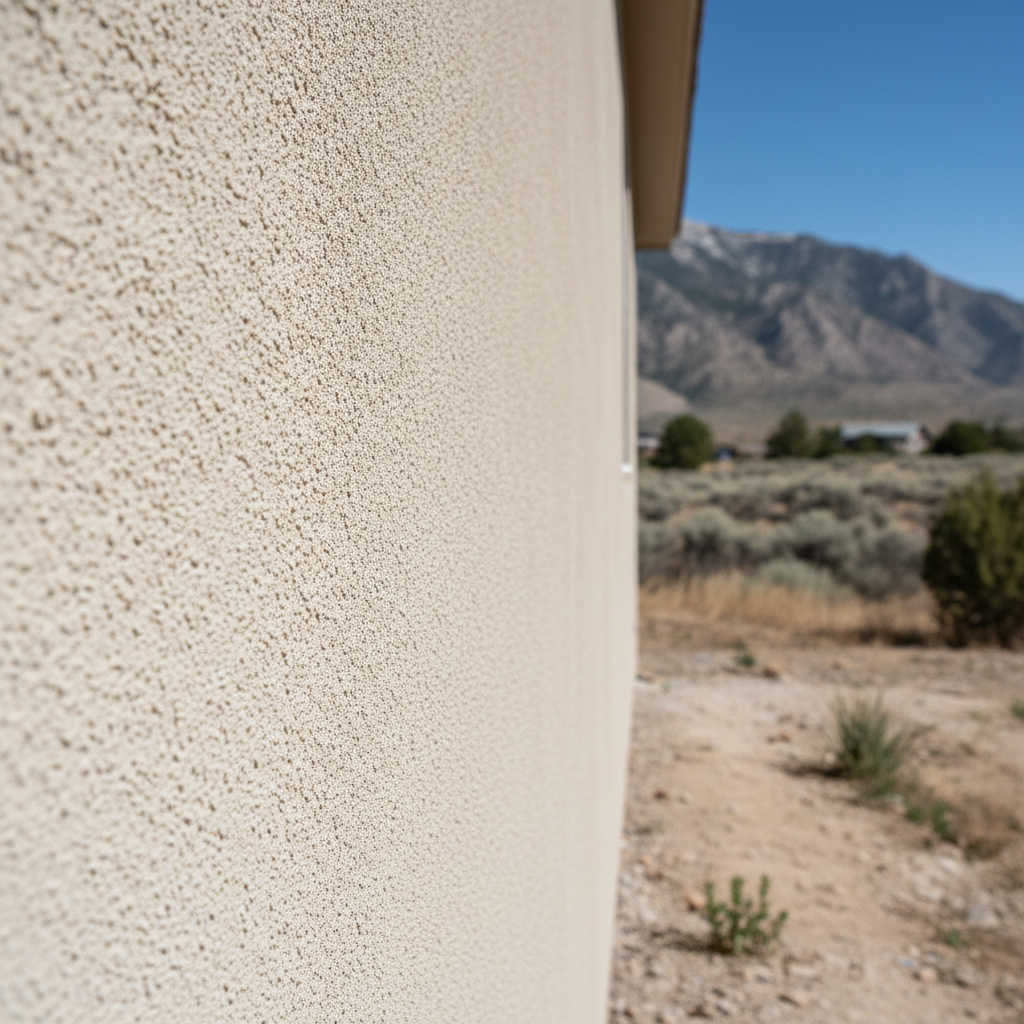
Do I really need to remove my stucco, or can it be repaired?
That's the million-dollar question, right? And honestly, it depends. A lot of times, folks call us at Salt Lake City Stucco & Plastering thinking they need a full tear-off when a good repair job would do. If you've got a few cracks, some small areas of water intrusion, or just general wear and tear, we can usually patch that up. We're talking about fixing the problem areas, matching the texture, and getting it looking good again. It's often less invasive and definitely less expensive than a full removal.
However, if your stucco is failing all over – widespread cracking, delamination (where it's separating from the wall), significant water damage behind the stucco, or if it's just an old, poorly installed system that's causing constant headaches, then removal might be your best bet. Sometimes, especially with older homes in areas like the Avenues, the original stucco wasn't applied to modern standards, or it's just reached the end of its lifespan. We'll always come out and give you an honest assessment. We're not going to push you into a removal if a repair makes more sense for your home and your wallet.
What's the typical process for stucco removal?
Okay, so you've decided removal is the way to go. What happens next? First, we'll protect your property. That means covering landscaping, windows, and anything else that could get damaged or dusty. Stucco removal is a dirty job, no two ways about it. We'll set up scaffolding if needed, especially on two-story homes or those with high gables.
Then, the actual removal begins. We use specialized tools, often pneumatic hammers and pry bars, to carefully chip away the stucco from the substrate. It's not just about knocking it off; you've got to be careful not to damage what's underneath, whether that's sheathing, framing, or existing insulation. Once the stucco is off, we'll haul away all the debris. This part generates a lot of waste, so proper disposal is a big piece of the puzzle.
After the old stucco is gone, we'll inspect the exposed sheathing and framing for any hidden damage, like rot or mold, that the stucco might have been covering up. This is a crucial step, and if we find anything, we'll let you know immediately so you can decide how to address it before the new siding goes on. Finally, we prepare the surface for whatever new material you've chosen, whether that's new stucco, fiber cement, or something else.
How long does stucco removal usually take?
The timeline really varies. A smaller, single-story home might only take a few days to a week for the actual removal process. A larger, more complex home, or one with extensive landscaping that needs extra protection, could take two weeks or even more. Things like weather can also play a role – we don't want to expose your home's structure to a surprise snowstorm or heavy rain if we can help it. We'll give you a more precise timeline once we've seen your specific home and understand the scope of work.
What are the common issues found underneath old stucco?
You'd be surprised what we find sometimes! The most common issues are water damage, rot, and mold. This is especially true if the original stucco wasn't installed with a proper drainage plane or if flashing around windows and doors was inadequate. We often see deteriorated sheathing, especially around openings, and sometimes even rot in the framing members themselves. We've also found old pest infestations, like carpenter ants, that were happily munching away behind the stucco.
Sometimes, we find that the original building paper or house wrap has failed, leaving the sheathing vulnerable. In Salt Lake City, with our freeze-thaw cycles and sometimes heavy snows, any water that gets trapped behind the stucco can do a lot of damage over time. Finding these issues is why the removal process is so important; it's your chance to fix underlying problems before they get worse.
How much does stucco removal cost in Salt Lake City?
Alright, let's talk numbers. This is probably the question I get asked most often. The cost for stucco removal isn't a one-size-fits-all answer. It depends on several factors:
- The size of your home: Bigger homes mean more stucco to remove, more labor, and more debris to haul away.
- Accessibility: Is it a single-story ranch or a multi-story home on a steep lot? Easy access means less time and effort.
- Type of stucco: Some older stucco systems are harder to remove than others.
- Condition of the stucco: If it's falling off in sheets, it's quicker than if it's firmly adhered.
- What's underneath: If we find extensive damage that needs remediation, that's an additional cost.
- Disposal fees: Hauling away all that concrete-like debris isn't cheap.
Generally, you can expect to pay anywhere from $3 to $7 per square foot for stucco removal alone. That doesn't include any repairs to the substrate or the cost of your new siding. It's a significant investment, but it's often necessary to protect your home's structural integrity. We'll provide a detailed, itemized quote after we've done an on-site assessment.
What are my siding options after stucco removal?
Once the old stucco is off, you've got a fresh canvas! This is where you get to decide on a new look for your home. Many people choose to go with new stucco, but a modern, properly installed system this time. We're talking about systems with good drainage planes and proper flashing that will last for decades. Other popular options include:
- Fiber cement siding (like Hardie Plank): This is super durable, low maintenance, and comes in a huge variety of colors and styles. It's a very popular choice here in Salt Lake.
- Vinyl siding: A more budget-friendly option, also low maintenance, but can sometimes look a bit less premium than other choices.
- Wood siding: Cedar shakes or lap siding can give your home a beautiful, natural look, but it requires more maintenance.
- Brick or stone veneer: This can add a lot of curb appeal and durability, but it's also a more expensive option.
We can talk through all these options with you and help you understand the pros and cons of each, including how they hold up to our local climate, before you make a decision. The goal is to give you a beautiful, durable exterior that you'll love for years to come.