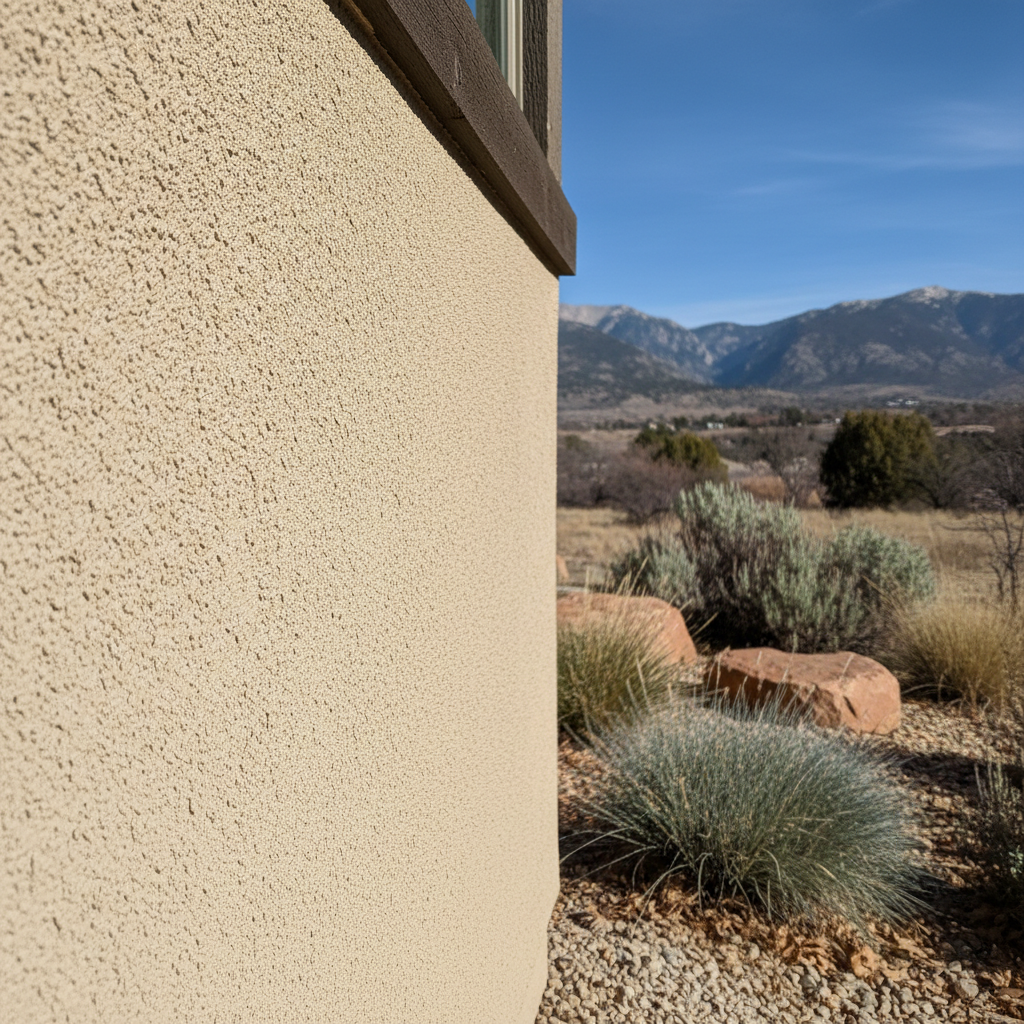
So, you're eyeing your stucco, maybe thinking, "Time for a change." Or perhaps you've got some issues and you're wondering if just ripping it all off is the smartest move. I totally get it. We see tons of homes here in Salt Lake City, and stucco removal? That's a conversation that pops up more often than you'd imagine. It's not just about how things look; sometimes, it's really about what's hiding underneath. Let's talk straight about what happens when you decide to take that stucco off.
What's the typical process for stucco removal?
Okay, so you've decided to go for it. What's the next step? First off, let's be real: this is going to be a pretty dusty, messy job. You'll definitely want to protect your landscaping, and we'll do our absolute best to keep the mess contained, but, yeah, expect some dust. The actual removal usually kicks off with us scoring the stucco into sections. Then, depending on how it was put on and what's beneath it, we'll grab pry bars, hammers, and sometimes even special tools to break it away from the sheathing. If it's a traditional three-coat system, you're looking at a lath layer, a scratch coat, and then the finish coat. Every single layer has to come off. EIFS (Exterior Insulation and Finish System) is a bit different; it's usually foam board with a mesh and then the finish, so it tends to come off in bigger pieces, but it still needs careful handling. We're not just going in there smashing things; we're trying to do it carefully to avoid damaging the structure underneath. Once the stucco is gone, we'll clean up all the debris, leaving you with exposed sheathing, all set for whatever new siding you've got in mind.
What kind of damage might I find underneath the stucco?
This is a big one, truly. And honestly, it's often the main reason folks are getting rid of their stucco in the first place, especially if they've had water problems. When we pull off the stucco, we're on the lookout for a few key things. The most common? Water damage to the sheathing or framing. That can mean rot, mold, or even insect infestations. We've seen everything from just a little discoloration to completely rotted-out studs that need a full replacement. Sometimes, the original installation might have had bad flashing around windows and doors, or maybe no proper weep screed at the bottom, which lets water get trapped behind the stucco. We also check for structural issues, like cracks in the foundation that might have been hidden, or just old, worn-out sheathing that's seen better days. It's not always bad news, but you should definitely brace yourself for the possibility of needing some repairs once the stucco is off. It's kind of like opening up a wall – you never truly know what you'll find until you're in there, do you?
How long does stucco removal usually take?
That's a classic "how long is a piece of string?" question, but I can give you a general idea. It really boils down to your home's size, the type of stucco, and how easy it is to reach. A smaller, single-story home might take a few days just for the removal part. A bigger, multi-story house with lots of architectural flair – think gables or fancy window surrounds – could easily stretch to a week or more. If we uncover significant damage underneath, that's going to add time, because we'll need to fix those problems before any new siding goes up. Plus, things like weather can play a role. We definitely don't want to leave your home exposed to a sudden Salt Lake storm if we can help it. So, while the actual "ripping off" might be quick, the whole process, including getting ready and cleaning up, can take a bit. We'll give you a more exact timeline once we've had a good look at your specific property.
Can I remove stucco myself to save money?
Look, I'm all for homeowners tackling projects, but stucco removal isn't typically one I'd suggest for a DIYer, unless you're super experienced and have all the right tools. It's incredibly labor-intensive, physically draining, and can actually be dangerous. You're dealing with heavy materials, the chance of falling debris, and you really need to be careful not to mess up the structure underneath. Plus, you need to know how to properly get rid of the material; it's heavy and creates a ton of waste. If you find underlying damage, do you know how to check it out and fix it correctly? Probably not. You might save a few bucks on labor at first, but if you damage your home, hurt yourself, or don't properly get things ready for the new siding, you'll likely spend way more in the long run. For something this involved, it's usually smarter to call in the pros, like us at Salt Lake City Stucco & Plastering. We've got the know-how, the tools, and the crew to get it done safely and efficiently.
What are my siding options after stucco removal?
Once that stucco is off, your home is basically a blank canvas, which is pretty exciting, right? The most common choices we see around here in Utah are things like fiber cement siding (Hardie board is a popular brand, for example), vinyl siding, or even natural wood siding like cedar. Brick or stone veneer are also possibilities if you're aiming for a more traditional or rustic vibe. The choice really comes down to what you like the look of, your budget, and how much maintenance you're willing to do. Fiber cement is tough and doesn't need much looking after. Vinyl is usually the most affordable. Wood gives you that classic look but does need more upkeep. We'll make sure whatever you pick gets installed correctly over a good weather barrier to keep your home safe from our harsh winters and hot summers.
How much does stucco removal cost?
This is probably the first thing everyone wants to know, and it's really hard to give a single, straightforward answer. The cost depends on several things: the size of your home, the type of stucco (EIFS is often easier to remove than traditional three-coat), how many stories your house has, and how complex its architecture is. Accessibility also plays a part – if we need a lot of scaffolding, that adds to the cost. Then there's the big unknown: what we discover underneath. If there's significant rot or damage that needs fixing, that's an extra cost you'll have to consider. Generally, you're looking at a per-square-foot cost for the removal itself, plus fees for getting rid of the waste, and then any unexpected repairs. It's not a cheap project, but it's an investment in your home's future and often necessary if you're dealing with serious underlying issues. We always give you a detailed quote after a thorough inspection so you know exactly what to expect.
Will removing stucco affect my home's insulation or energy efficiency?
Oh, absolutely, it can. Stucco, especially EIFS, adds a layer of insulation. When you take it off, you're removing whatever R-value that material contributed. Now, if your stucco was old and cracked, it might not have been doing much for insulation anyway, but it's still something to keep in mind. Once we remove the stucco, we're exposing the sheathing. At that point, it's a fantastic chance to upgrade your home's insulation and weather barrier. You could add rigid foam insulation boards over the sheathing before putting on your new siding, or just make sure your wall cavities are properly insulated from the inside. A good quality house wrap or weather-resistive barrier is super important for preventing moisture and drafts. So, while the removal itself might temporarily reduce your home's thermal performance, it's also a perfect opportunity to make some real improvements to energy efficiency that will pay off in the long run, especially with our extreme temperatures here in the valley.