When do I really need to replace my stucco, and when can I just repair it?
This is probably the most common question I get, and it's a good one, too. A lot of folks jump straight to replacement when, honestly, a good repair might do the trick. Generally, if you're seeing small cracks, maybe some isolated impact damage, or just minor water staining that hasn't spread, repairs are usually the way to go. We can patch those up, blend the texture, and often get it looking good as new without tearing everything off. It saves you money and a whole lot of hassle.
Now, if you're seeing widespread cracking, especially those spiderweb patterns or large horizontal cracks, that's a definite red flag. Significant water intrusion, like stucco that's bulging out, persistent mold growth lurking under the surface, or rot on your sheathing or framing, means you've got bigger problems. If the stucco is actually delaminating from the wall, or if you've got multiple areas where the base coat is failing, then you're likely looking at a full replacement. It really comes down to assessing how bad the damage is. A small leak fixed quickly is one thing; years of water silently rotting your walls is another. We'll always give you an honest assessment of whether a repair is feasible or if replacement is the smarter, long-term solution for your home.
What's the typical process for a full stucco replacement project?
Alright, so you've decided replacement is necessary. What happens next? First, we protect your property. That means covering landscaping, windows, and anything else around the house. Then, we start the demolition. We carefully remove the old stucco, right down to the sheathing. This is where we really get to see what's going on underneath, and it's crucial for identifying any hidden damage like rot or structural issues that need to be addressed before we put new stucco on.
Once the old stuff is off and any repairs to the sheathing or framing are done, we install new building paper or a weather-resistive barrier. This is your home's first line of defense against water, believe it or not. Then comes the lath – usually a metal mesh – which gives the stucco something to grab onto. After that, we apply the scratch coat, then the brown coat, and finally, the finish coat. Each layer needs time to cure properly, which is why a stucco job isn't a one-day affair. We also make sure all your windows and doors are properly flashed to prevent future water problems, a common failure point I see on older homes around Sugar House and other established neighborhoods.
How long does a stucco replacement project usually take?
The timeline really depends on a few factors: the size of your home, how complex its architecture is, and, honestly, the weather. Here in Salt Lake City, we've got to contend with everything from baking summer heat to freezing winter temps. You simply can't apply stucco in freezing conditions, and extreme heat can affect curing times.
For an average-sized home, say 2,000 to 3,000 square feet, you're usually looking at anywhere from two to four weeks from start to finish. That includes demolition, any necessary repairs to the underlying structure, applying the multiple coats of stucco, and allowing for proper drying time between each layer. If we hit unexpected structural damage or if the weather throws us a curveball, it can extend that timeline a bit. We always try to give you a realistic schedule upfront, but flexibility is key with any exterior project, isn't it?
What are the different types of stucco finishes available for replacement?
When you're replacing stucco, you've got a lot more options than just plain old smooth. The finish coat is where you really get to choose the look and feel of your home's exterior. The most common types we work with are:
- Smooth: This is a classic, clean look. It's sleek and modern, but it can also show imperfections more easily.
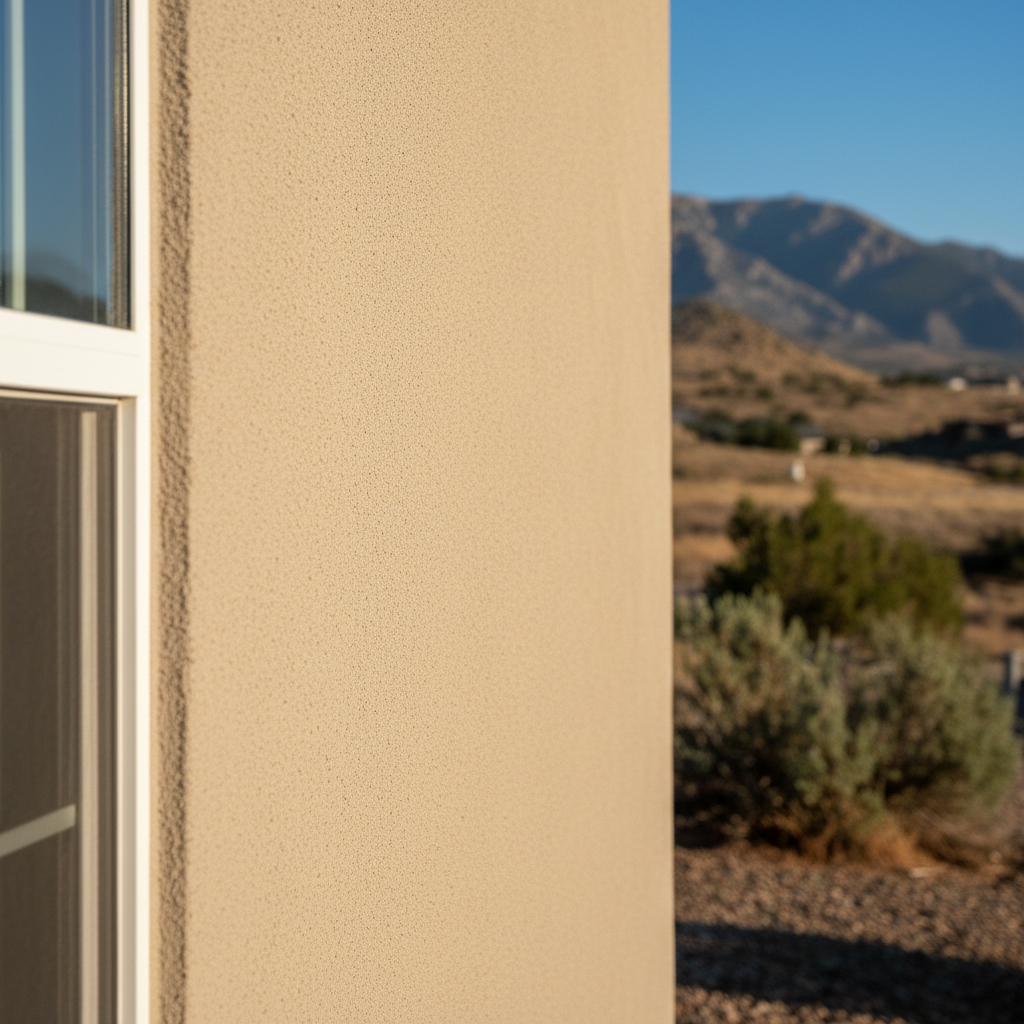
- Sand Finish: This is probably the most popular. It has a subtle, granular texture, kind of like fine sandpaper. It's durable and hides minor imperfections well.
- Dash Finish: This one has a more pronounced, rougher texture, achieved by throwing the finish coat onto the wall. It's very durable and provides excellent visual depth.
- Santa Barbara/Old World: This finish has a slightly irregular, hand-troweled look, giving it a rustic or Mediterranean feel. It's less uniform than a smooth finish and can be quite beautiful.
- Lace & Skip: These involve applying the finish coat in a way that leaves some of the underlying brown coat visible, creating a textured, almost layered appearance.
Beyond the texture, you've also got a huge range of colors to choose from. We can even do custom color matching if you're trying to replicate an existing shade. It's a big decision, so we'll show you samples and talk through what will look best with your home's style and the surrounding environment.
Will replacing my stucco improve my home's energy efficiency?
Absolutely, it can make a big difference. When we replace your stucco, we're not just putting a new pretty face on your house. We're upgrading your entire wall system. The new weather-resistive barrier, for starters, is going to be far more effective than whatever old, degraded building paper was there before. This helps prevent air and moisture infiltration, which are major culprits in energy loss.
Modern stucco systems also offer excellent thermal mass. The density of the material helps slow down heat transfer, keeping your home cooler in the summer and warmer in the winter. Think about those scorching Salt Lake City summers; a well-insulated stucco wall can really help keep that heat out. If you opt for an Exterior Insulation and Finish System (EIFS) – sometimes called synthetic stucco – you'll get even more insulation because it incorporates rigid foam insulation boards directly into the system. This provides a continuous layer of insulation, significantly boosting your R-value and cutting down on your heating and cooling bills. It's a smart investment for long-term energy savings.
How much does stucco replacement cost, and what factors influence the price?
Alright, let's talk numbers, because everyone wants to know this. Giving an exact price without seeing your home is impossible, but I can tell you what goes into the cost. Generally, stucco replacement can range anywhere from $10 to $25+ per square foot, and sometimes even more for very complex jobs or premium materials like EIFS. That's a wide range, I know, but here's why:
- Square Footage: Bigger house, more material, more labor. Simple as that.
- Complexity of the Job: A two-story house with lots of corners, architectural details, and window cutouts is going to cost more than a simple, flat ranch house. Scaffolding needs, difficulty of access – it all adds up.
- Condition of the Substrate: If we tear off the old stucco and find extensive rot or damage to your sheathing and framing, those repairs will add to the total cost. This is why we can't give a final quote until we've done some demolition.
- Type of Stucco System: Traditional three-coat stucco is usually less expensive than an EIFS system, which offers superior insulation but uses more specialized materials and installation techniques.
- Finish Type: Some finishes require more skill and time to apply, which can slightly impact labor costs.
- Local Labor and Material Costs: These fluctuate, but we always use quality materials that are designed to last in our Utah climate.
What I can tell you is that Salt Lake City Stucco & Plastering will give you a detailed, transparent quote once we've had a chance to inspect your home. We'll break down the costs so you understand exactly what you're paying for. It's a significant investment, but a properly installed stucco system adds value, durability, and curb appeal to your home for decades.
What kind of maintenance will my new stucco need after replacement?
One of the best things about stucco is how low-maintenance it is, especially compared to other siding materials. Once it's properly installed, you won't be painting it every few years or replacing individual boards. The main thing you'll want to do is keep it clean. A good wash with a garden hose and a soft brush once a year or so can remove dirt, dust, and any minor mildew that might accumulate, especially on north-facing walls that don't get as much sun.
You should also regularly inspect your stucco for any signs of damage, particularly after severe weather. Look for cracks, chips, or areas where water might be pooling. Pay close attention to areas around windows, doors, and where different materials meet. If you catch small issues early, they're much easier and cheaper to repair than if you let them fester. Keeping your gutters clean and ensuring proper drainage away from your foundation will also go a long way in protecting your stucco. It's about being proactive, not reactive.